
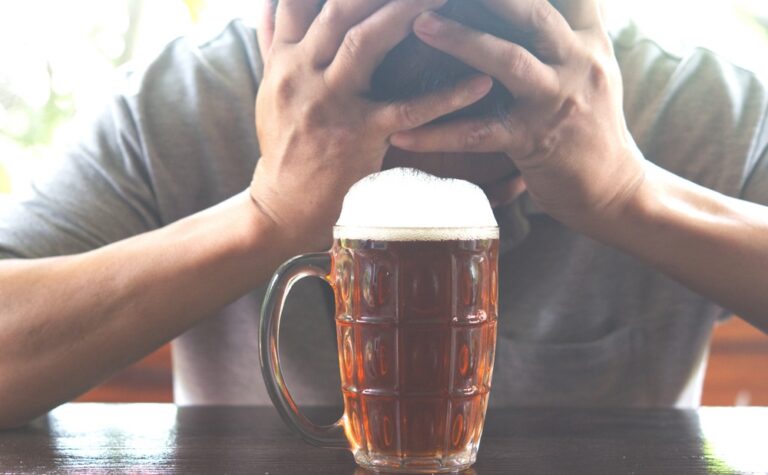
Colorectal cancer is a serious health concern that affects the digestive system, especially the colon and rectum. Research shows that lifestyle factors — including alcohol consumption — can influence colon cancer risk. Understanding how alcohol affects bowel health can help you make informed choices and take steps to reduce your risk.
Alcohol is metabolized in the body and broken down into several byproducts. One of these byproducts, acetaldehyde, is classified as a carcinogen — a substance known to damage DNA and interfere with normal cellular function. Over time, repeated exposure to carcinogens can increase the likelihood that healthy cells in the digestive tract will grow abnormally and lead to cancer.
Alcohol can also disrupt the gut microbiome — the community of beneficial bacteria that supports digestion and immune function. Changes in the microbiome may contribute to inflammation and impair bowel health, creating an environment that increases the risk of cancerous changes.
Alcohol affects the body in multiple ways that may raise the risk of colorectal cancer:
These mechanisms are especially concerning when alcohol intake is frequent or excessive over long periods.
While alcohol alone can contribute to increased colon cancer risk, other factors can compound that risk and impact overall digestive health, including:
When combined with alcohol consumption, these factors can create a stronger risk profile. Understanding your individual risk helps guide preventive measures and screening recommendations.
Understanding what constitutes safe alcohol intake is important for colorectal cancer prevention. Although even moderate alcohol consumption carries some risk, patterns matter:
Whether it’s red wine, beer, or spirits, excessive and frequent intake places your bowel health and liver function under stress.
Colorectal cancer can develop slowly over time. Early stages often have few or no symptoms, but some signs to watch for include:
These symptoms may also be associated with other digestive issues, so any persistent changes should prompt further evaluation.
There are several lifestyle steps you can take to reduce your colorectal cancer risk, especially if alcohol is part of your routine:
You should consult your healthcare provider if you have concerns about your alcohol intake, family history of cancer, or digestive changes that seem persistent. Specific scenarios to talk with a doctor include:
Discuss your personal risk factors and lifestyle habits with your provider so you can develop a prevention plan tailored to your health goals.
Alcohol’s effects on the digestive system and colorectal cancer risk underscore the importance of mindful lifestyle choices and regular preventive care. By staying informed and proactive, you can take meaningful steps toward protecting your bowel health and overall well-being. If you have questions, ask your doctor, or you can consult with the professionals at Allied Digestive Health.
Thank you for your interest in setting up an appointment with us! To schedule your visit, please give us a call. We look forward to assisting you!