
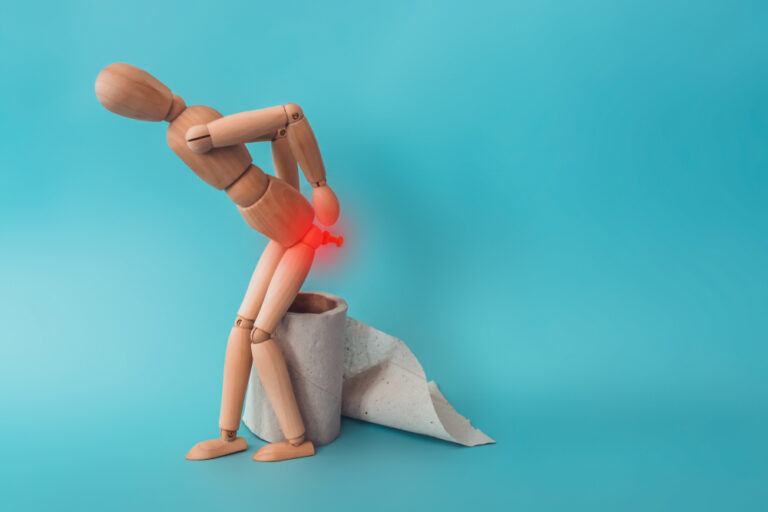
Living with irritable bowel syndrome (IBS) presents a daily challenge of managing unpredictable digestive issues. When you add the pain and discomfort of hemorrhoids to the mix, it can feel overwhelming. Many people with IBS don’t realize that the two conditions are often connected. Understanding the link between IBS and hemorrhoids is the first step toward finding effective relief and improving your quality of life.
This guide will explore how this common gastrointestinal disorder can contribute to the development of hemorrhoids and provide a comprehensive plan for managing the symptoms of both. We will cover everything from dietary adjustments and smart lifestyle habits to effective home remedies and advanced treatment options, empowering you to take control of your digestive health.
Hemorrhoids are swollen veins in your lower rectum and anus. They develop due to increased pressure in this area, which is often caused by straining during bowel movements. This is where the connection to IBS becomes clear. The primary symptoms of IBS include significant changes in bowel habits, most notably chronic constipation or chronic diarrhea.
Both of these extremes put immense stress on the anal region. Straining to pass hard stools during a bout of constipation directly increases pressure, leading to hemorrhoids. Conversely, frequent, urgent bouts of diarrhea can also irritate and weaken the anal tissues, contributing to the problem. In essence, the irregular bowel movements characteristic of IBS are a primary driver of hemorrhoid development.
Managing fiber intake is crucial, but the right approach depends on your specific IBS subtype.
Understanding the two main fiber types is essential for managing IBS and hemorrhoids.
When increasing fiber intake, start slowly and increase it over several weeks to allow your digestive system to adjust. A sudden increase can lead to gas and bloating. Equally important is drinking plenty of water, as fiber needs hydration to work effectively.
A key part of managing the IBS-hemorrhoid link is identifying and avoiding your personal trigger foods. These are the specific types of food that worsen your symptoms of IBS, whether it’s constipation or diarrhea, and subsequently aggravate hemorrhoids.
Many people find success with a low-FODMAP diet, which involves temporarily eliminating a group of short-chain carbohydrates that are poorly absorbed in the small intestine. Common FODMAPs include certain fruits, vegetables, dairy products, and wheat. Working with a registered dietitian can help you navigate this diet safely and effectively reintroduce foods to pinpoint your specific triggers.
Beyond diet, several lifestyle habits can make a huge difference in reducing the pressure that leads to hemorrhoids.
For immediate relief from hemorrhoid pain and itching, several at-home treatment options are effective.
If conservative treatments and lifestyle changes don’t provide enough relief, it may be time to discuss medical procedures with your doctor. These are minimally invasive and highly effective for treating persistent internal hemorrhoids.
The gut-brain axis plays a powerful role in IBS. Stress and anxiety can directly trigger symptoms by disrupting signals between the brain and the digestive system. This same stress can cause you to unconsciously clench your abdominal and pelvic floor muscles, increasing anal pressure.
Prioritizing stress management and sleep is non-negotiable. Practices like meditation, deep breathing exercises, and yoga can calm the nervous system. Ensuring you get 7-9 hours of quality sleep per night helps regulate a wide range of bodily functions, including digestion and tissue repair.
Successfully managing IBS and hemorrhoids requires a consistent, long-term approach. Start by focusing on two or three manageable changes. Perhaps that’s incorporating a daily sitz bath, adding a soluble fiber supplement like psyllium to your morning routine, and drinking plenty of water. Once those become habits, you can add another, like a daily 20-minute walk or practicing proper toilet posture. This gradual, balanced approach is the key to sustainable relief.
While you can manage many common symptoms at home, you should see a doctor if you experience rectal bleeding, severe pain, or if a hemorrhoid becomes hard and cannot be pushed back in. It’s also important to get a proper diagnosis for your irritable bowel syndrome (IBS) to rule out more serious conditions. A healthcare provider can help you develop a safe and effective plan for managing the symptoms of both conditions.
If you are struggling with the dual burden of IBS and hemorrhoids, you don’t have to navigate it alone. An experienced gastroenterologist can provide a comprehensive diagnosis, rule out other conditions, and offer a full spectrum of advanced treatment options, from dietary guidance to procedures like rubber band ligation. Scheduling a consultation with Allied Digestive Health is a proactive step toward finding lasting relief and reclaiming control over your digestive health.
Thank you for your interest in setting up an appointment with us! To schedule your visit, please give us a call. We look forward to assisting you!